Area / Suffolk
Web design Bury St Edmunds
Websites for Bury St Edmunds shops, restaurants, professional firms and the businesses on Suffolk Business Park at the A14.
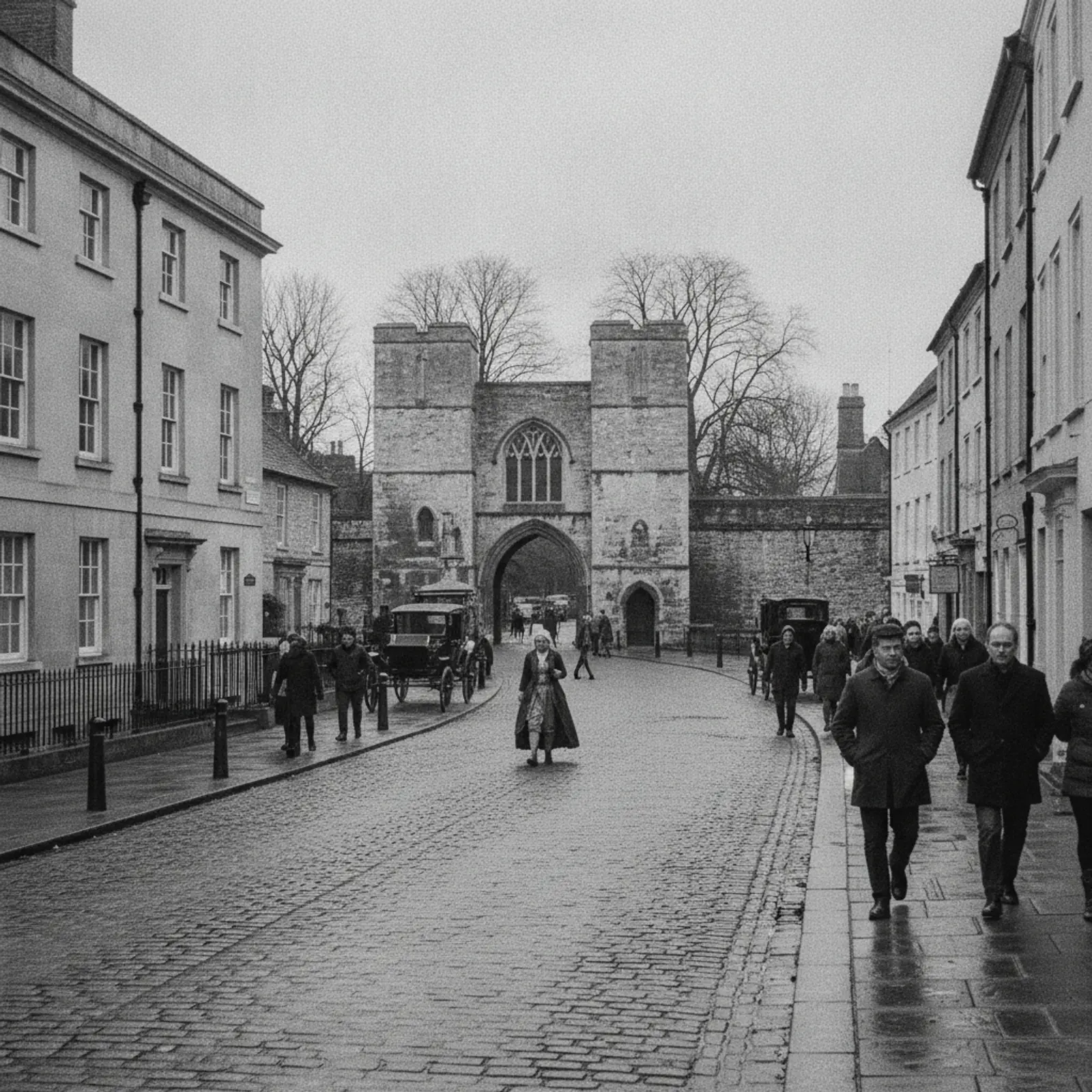
A market town with a working economy
Bury St Edmunds is best known to visitors for its historic centre and abbey ruins, but it is also a working town with a strong food and drink base. The Greene King brewery is in the town itself, and British Sugar's factory sits on the outskirts. Around them is a network of suppliers, hauliers, engineers and service firms.
On the eastern edge of the town, by junction 45 of the A14, Suffolk Business Park is allocated for expansion, with new business units planned and built in phases. Firms there tend to be logistics, trade and light industrial businesses, often selling to customers across East Anglia and beyond.
In the centre, the mix is independent shops, cafés, restaurants, salons and professional practices, many in older buildings on narrow streets. Visitors arrive from across West Suffolk and further afield, and they often look a business up before they leave home.
What the website has to do in Bury
| Business type | Priorities |
|---|---|
| Independent shops | Accurate opening times, what you stock, how to find you, and whether you sell online |
| Restaurants, pubs and cafés | Menus as web pages, booking, events, dietary information |
| Food and drink producers and suppliers | Trade enquiries, product ranges, certifications you hold, online shop where it suits |
| Firms on Suffolk Business Park | Clear service pages, coverage area, quote forms and recruitment |
| Solicitors, accountants, estate agents | Specialism pages, fees information where you can give it, and easy contact |
How customers search
For town-centre businesses, most valuable searches are local and on a phone: "café near me", "florist Bury St Edmunds", "hairdresser open Saturday". The map results usually come first, so the Google Business Profile needs the right categories, current hours, real photos and a link to a page that matches the search. The website then has to confirm what the profile says. If the two disagree on opening hours, people lose trust quickly.
For business-to-business firms on the edge of town, searches are broader and more considered: a buyer in Cambridge or Norwich comparing suppliers. These visitors want detail. A page per service, real photographs of your premises and equipment, and a quote form that asks the right questions do more than any slogan.
Bury also draws customers from Newmarket, Thetford, Stowmarket and the villages between. If you serve them, say so on the relevant service pages, and build area pages only where you can describe genuine work there.
Selling online from Bury
Many Bury shops and producers sell well in person and want an online shop that does the same. The common problems are thin product descriptions copied from suppliers, poor photographs and delivery costs that appear only at checkout. Our e-commerce work starts with your best-selling products and a clear delivery policy, then grows the range. We have written more about this in market town retail and local search.
Common problems we see
- Opening hours different on the website, Google and Facebook.
- Menus or price lists as PDFs or images that cannot be read easily on a phone.
- Old WordPress sites slowed down by years of plugins.
- No mention of parking, access or how to find a shop in a side street.
- Business park firms with a single "services" page listing everything in one paragraph.
A checklist for a Bury town-centre business
- Opening hours identical on the website, Google Business Profile and social pages, including bank holidays.
- A short "finding us" section: which street, the nearest car parks, and step-free access if you have it.
- Menus, price lists or services as text on the page, not PDFs.
- A booking or enquiry button visible on a phone without scrolling.
- Real photographs of the inside and outside of the premises, so people recognise you when they arrive.
- A page for each main service or product range, written in the words customers use.
- A note of the surrounding places you deliver to or serve, if you do.
None of this is complicated, but in our experience most small business sites in market towns miss at least two of these. Each one costs enquiries.
For firms on Suffolk Business Park, the checklist is different: a page per service, clear coverage, a quote form that asks for the details your team needs, and a careers page that is kept current. Those firms often compete with businesses in Cambridge and Ipswich, so the detail on the page is what wins the comparison.
A checklist for an Ipswich studio or creative firm
- Projects organised by the type of client or problem, not only by date.
- A short written case note on each project: the brief, what you did and why.
- Images and video that load on demand, so the first screen appears quickly on a phone.
- Clear information on how you work, who you work with and how to start.
Working with us
We work with Bury businesses over video calls and in person where it helps, such as photographing a shop or workshop or running a training session on the new site. A project starts with a page plan and moves through design, copy, build and testing. See web design for the process, or WordPress development if you already run WordPress and want it fixed rather than replaced.
Next
Got a site that isn't pulling its weight?
Tell us what the business does and what the website should be doing for it. We reply within one working day with honest thoughts and a rough price.
Start a project →