Area / Suffolk
Web design Sudbury
Websites for Sudbury's makers, silk weavers, shops and visitor businesses, written to sell craft and quality to buyers who are not local.
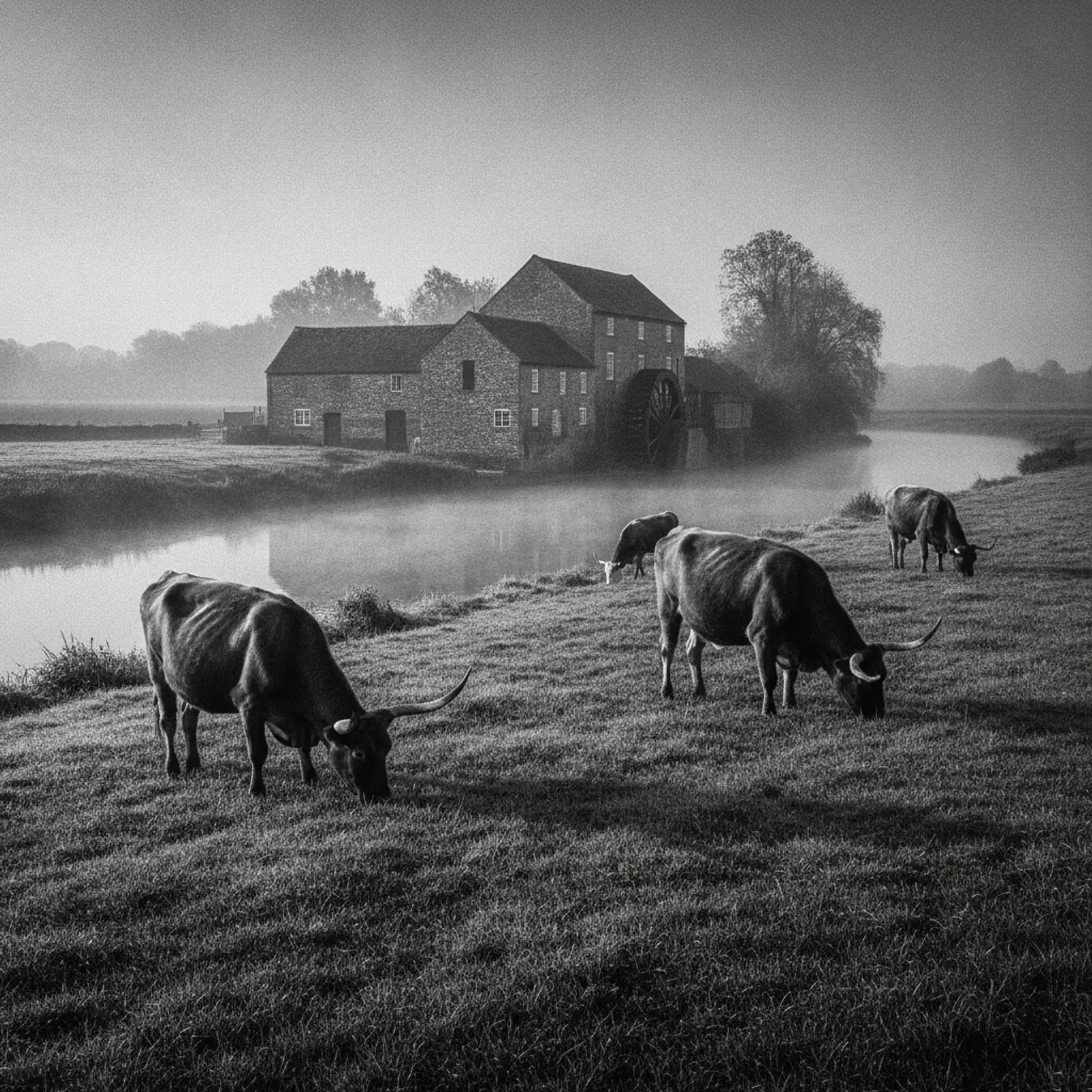
A working silk town
Sudbury is unusual among Suffolk market towns because it still makes things the world buys. Silk weaving continues in the town, with working mills including Vanners, Stephen Walters & Sons, Gainsborough Silk Weaving and Humphries Weaving. Their fabrics go to fashion houses, furnishers and heritage projects, and their customers are mostly not in Suffolk.
The town is also the birthplace of the painter Thomas Gainsborough, and Gainsborough's House is a museum and gallery in the centre. Around the town are the water meadows of the Stour and the villages of the Stour Valley, which draw visitors for walking, food and heritage.
Selling craft to distant buyers
For a maker in Sudbury, the website often has a harder job than for a shop. A designer in London, New York or Milan who has never visited needs to understand what you make, how well you make it and how to start working with you. That means:
- Pages organised by product type and application, using the words buyers search for, not only the words used in the mill.
- Photography that shows the work up close: weave structure, finishing, colour, scale.
- A clear explanation of sampling, commissioning, minimum orders and lead times, as far as you are willing to publish them.
- Information about your heritage that is true and specific, not vague claims of tradition.
- A contact route that suits international buyers: email and a structured form rather than phone only.
The same applies to other Stour Valley makers: furniture makers, potters, printers, food producers. The website is the first meeting, and it should look and read like the quality of the work.
Town centre and visitor businesses
Sudbury's shops, cafés, galleries and guest accommodation rely on a mix of local customers and visitors exploring the valley. Visitors plan on phones, often the day before or on the morning. Accurate hours, a clear map, parking information and booking links are the basics. For accommodation and venues, pages about the area, written by someone who knows it, help visitors decide.
Search in a smaller town
Search competition in Sudbury is lower than in Ipswich or Bury, which helps. A well-built local business site with clear service pages and a complete Google Business Profile can do well. The bigger challenge for many Sudbury firms is reaching beyond the town: Colchester, Bury, Haverhill and the Essex villages over the river. Service pages can mention the places you cover, and area pages work where you genuinely have something useful to say about them.
| Who | The main audience | What matters most online |
|---|---|---|
| Silk weavers and makers | Designers and buyers elsewhere in the UK and overseas | Product detail, photography, process, international contact |
| Shops and cafés | Locals and day visitors | Hours, location, what you sell, events |
| Accommodation and venues | Visitors planning a trip | Booking, photographs, local guide content |
| Trades and professional firms | Households and businesses in south Suffolk and north Essex | Service pages, coverage area, contact |
Common problems we see
- Beautiful products shown in small, low-quality images.
- Sites that describe history at length but never say how to order.
- Galleries of images with no text, so nothing is found in search.
- Websites that work on a desktop but are hard to use on a phone.
Writing about craft without the clichés
Heritage businesses often fall back on the same words: tradition, passion, quality, time-honoured. Buyers have read them all. What convinces a designer or specifier is detail they can check: which looms you use, what widths you weave, what fibres you work with, whether you can match an archive pattern, how sampling works and how long a commission takes. If a process is done by hand, show it. If a finish is unusual, explain why it matters to the end product.
We work with makers to draw that detail out, usually in a conversation in the workshop or studio, and turn it into pages that are specific and readable. The same approach suits food producers in the valley, furniture makers, printers and restorers: say exactly what you do and show it.
For overseas buyers, plain English helps more than translation for most firms. Short sentences, clear headings and explicit units make a page easy to read for a non-native speaker and easy to run through a translation tool.
Working with us
For makers, we usually start with how buyers find and judge suppliers in your field, then plan the site around that. See web design for the process or e-commerce if you want to sell directly online. Our article on capability pages for manufacturers applies just as well to specialist makers.
Next
Got a site that isn't pulling its weight?
Tell us what the business does and what the website should be doing for it. We reply within one working day with honest thoughts and a rough price.
Start a project →