Area / Suffolk
Web design Felixstowe
Websites for the freight forwarders, hauliers, customs agents and port services around the UK's largest container port.
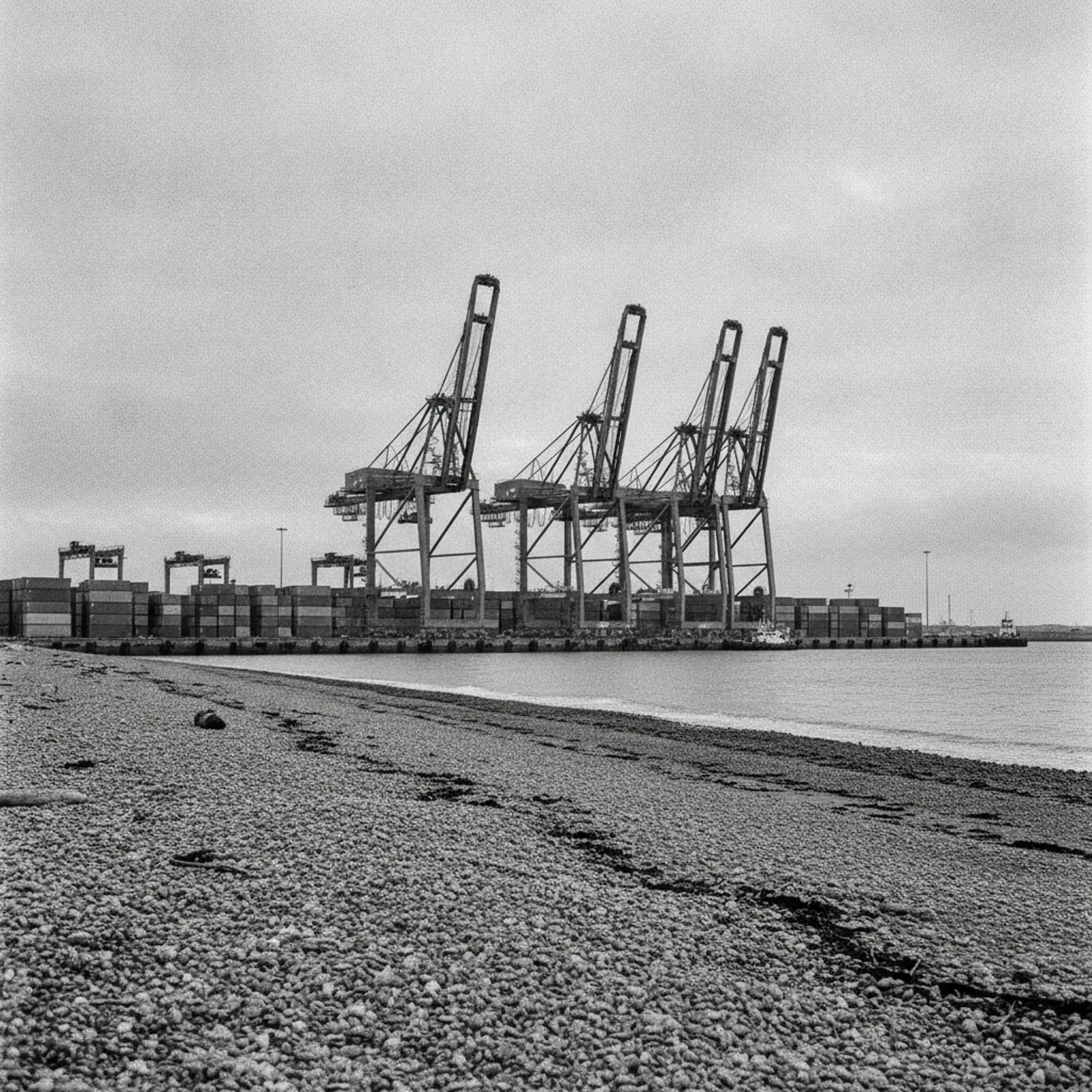
A town shaped by the port
The Port of Felixstowe is the UK's largest container port. Around it has grown a dense cluster of businesses: freight forwarders, hauliers, customs brokers, warehousing and container storage firms, container repair, shipping agents, recruitment agencies and IT providers serving the trade. Felixstowe is also part of Freeport East, alongside Harwich and the inland Gateway 14 site at Stowmarket.
The town also has a seafront with hotels, cafés and holiday accommodation, and local trades and services serving residents. But for most businesses we speak to in Felixstowe, the port is the reason they are there.
What port businesses need from a website
Freight and logistics buyers are busy and practical. They want to know quickly whether you handle their kind of cargo, on their routes, at the right scale, and how to get a price. Many port-related websites fall short here. A one-page site with a general contact form forces every enquiry into a phone call before it can be quoted.
| Business type | What the site has to do |
|---|---|
| Freight forwarders | Separate pages for full container, groupage, air, customs and warehousing; a quote form that asks for origin, destination, cargo and container type |
| Hauliers | Fleet and service types, coverage, port and depot locations, driver recruitment |
| Customs brokers | Plain explanations of services and process, with clear contact routes for urgent clearances |
| Warehousing and storage | Capacity, facilities, location, handling capabilities |
| Seafront hospitality | Booking, menus, seasonal hours |
Recruitment
Driver and warehouse recruitment is a constant pressure for port businesses. A recruitment page or dedicated landing page that explains shifts, routes, vehicles, licences needed, training and how to apply makes advertising far more effective. Ask only what you need on the application form; a long form loses applicants.
How freight buyers search
Buyers search by service and route more than by town: "groupage to Poland", "customs clearance Felixstowe", "container haulage Midlands". A page for each main service, with real details, does better than a general services list. For firms with several depots, location pages work if each one says something real about that depot.
Trust signals matter in this sector: trade association memberships and accreditations you hold, insurance information, and real photographs of your vehicles, yard and people. We never add badges a business does not hold.
Common problems we see
- Quote forms that ask for a name and a message box and nothing else.
- No explanation of which routes, cargo types or container sizes are handled.
- Stock photos of ships and lorries that are obviously not yours.
- Careers pages that say "send your CV" and nothing more.
A checklist for a freight forwarder's quote form
- Origin and destination, as country and town or port.
- Mode: sea, air, road, or a combination.
- For sea freight: full container or groupage, and container size and type.
- Cargo description, weight, volume and number of packages.
- Whether the goods are hazardous, temperature controlled or oversized.
- Incoterms, if the customer knows them, with a short explanation for those who do not.
- Whether customs clearance is needed, and in which direction.
- Ready date and any deadline.
- A file upload for packing lists or commercial invoices.
Not every field needs to be compulsory. A shorter required set with optional extra detail suits occasional shippers, while regular customers will fill everything in. The aim is that the person preparing the quote can price it without having to call back first. We usually show the full form only once the customer has chosen the mode, so it never looks overwhelming.
Felixstowe's seafront businesses have different needs: seasonal hours, menus and booking. Those are covered on our web design page.
Working with us
We start by talking to whoever handles quotes, to learn what information they need from an enquiry, and build the site and forms around that. Read our article on what a freight forwarder's website should do, or see web design for the process.
Next
Got a site that isn't pulling its weight?
Tell us what the business does and what the website should be doing for it. We reply within one working day with honest thoughts and a rough price.
Start a project →